Living in Rhythm: A Seasonal Guide to Transforming Your Toronto High-Rise Suite
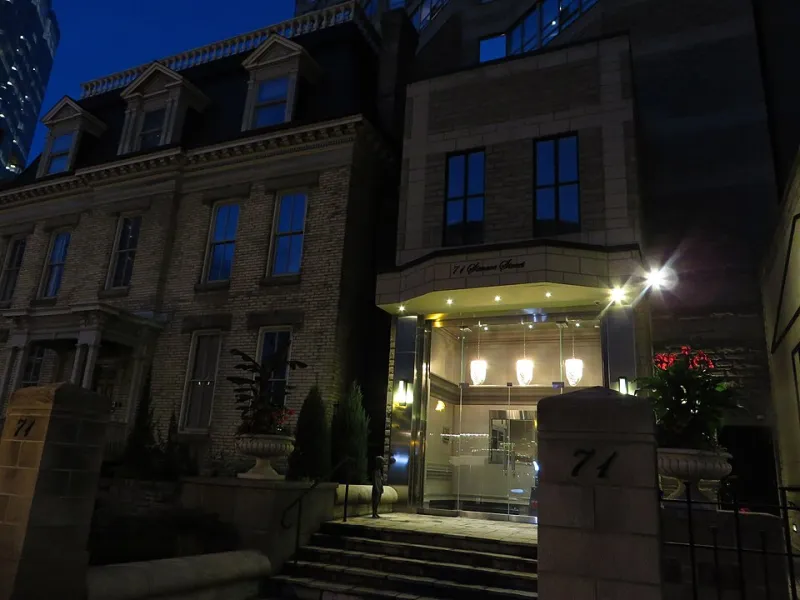
Photo: Ken Lund from Reno, Nevada, USA, CC BY-SA 2.0, via Wikimedia Commons
There is a tendency, when purchasing a condominium, to regard the space as fixed — a defined set of rooms with a defined purpose, unchanging from the day of possession. Experienced high-rise residents know otherwise. A well-considered suite is not a static environment but a responsive one, capable of shifting its character and function in response to the season, the angle of the sun, and the particular demands of daily life in each quarter of the year.
For owners at 1 Deer Park Crescent, this seasonal adaptability is not merely a design philosophy. It is a practical framework for extracting the full value of a premium urban residence — one that occupies a neighbourhood with its own distinct microclimate and a building orientation that interacts with Toronto's seasonal light in specific, meaningful ways.
Winter: Maximising Light and Thermal Comfort
Toronto winters are defined by two competing realities: the dramatic reduction in available daylight and the thermal demands of a climate that regularly delivers temperatures well below freezing. For high-rise residents, these realities manifest differently than they do for homeowners. The absence of a furnace to manage, the inherent thermal mass of a concrete building, and the elevated vantage point that maximises access to low winter sun all shape the winter experience in particular ways.
The first priority in a winter suite strategy is light amplification. When the sun sits low on the southern horizon between December and February, suites with southward-facing windows receive direct light for extended periods — but only if interior arrangements do not obstruct it. Furniture positioned away from windows, the use of light-reflective surfaces such as pale walls, polished floors, and strategically placed mirrors, and the removal of heavy window treatments during daylight hours can collectively transform the quality of winter light within a space.
For suites at the eighth floor, the winter sun angle is particularly generous. Unlike lower-level units, which may find their light blocked by neighbouring buildings or street-level tree canopy, mid-rise suites often enjoy unobstructed solar access during the months when that access matters most.
Thermal layering is the second pillar of winter suite management. While building HVAC systems maintain baseline comfort, residents who understand their suite's thermal behaviour — which walls cool first, where drafts are most perceptible near glazing — can supplement with targeted solutions: heavier rugs on exposed floor areas, draft-reducing window treatments deployed in the evening, and the strategic use of supplemental heating in frequently occupied zones.
Spring: Reintroducing Air and Transitional Flexibility
Spring in Toronto arrives with characteristic ambiguity — warm afternoons interrupted by cold snaps, rain alternating with the first genuinely pleasant days of the year. For condo residents, the spring transition is an opportunity to reintroduce natural ventilation after months of sealed windows and to reassess how the suite's layout serves a life that is beginning to move outdoors again.
Natural cross-ventilation, where a building's layout and window placement permit it, is worth prioritising in spring. Opening windows on opposite sides of a suite — even modestly — creates air movement that mechanical systems rarely replicate. In a neighbourhood like Deer Park, where surrounding vegetation is beginning to regenerate and street-level air quality is relatively good, this ventilation carries additional benefit.
Spring is also a natural moment for spatial recalibration. The heavier textiles, layered rugs, and thermal window treatments that served a purpose through winter can be retired in favour of lighter alternatives. Furniture arrangements that prioritised proximity to warmth sources can be reconsidered in favour of layouts that open the suite to its views and natural light. These transitions need not be dramatic — even modest adjustments register meaningfully in how a space feels and functions.
Summer: Ventilation Strategy and Balcony as Extension
For Toronto high-rise residents, summer presents a distinctive set of conditions. The city's humidity, combined with temperatures that regularly exceed 30°C, makes thermal management a genuine concern. At the same time, long days and warm evenings create the conditions for outdoor living that define the season's appeal.
Effective summer ventilation in a high-rise suite requires an understanding of the building's orientation relative to prevailing winds. In Deer Park, the neighbourhood's position and surrounding tree canopy influence local air movement in ways that differ from more exposed downtown locations. Residents who learn their building's ventilation characteristics — when and from which direction breeze enters most effectively — can significantly reduce dependence on air conditioning during moderate summer days.
The balcony, where present, becomes the suite's most transformative asset in summer. A well-considered balcony arrangement — combining shade from a retractable awning or well-placed planting, comfortable seating scaled appropriately to the space, and some form of ambient lighting for evening use — effectively adds a usable room to the residence. This is not incidental; it is a meaningful expansion of living area during the months when outdoor access is most valued.
Solar shading on west-facing glazing deserves particular attention during summer. Afternoon sun at this orientation can introduce significant heat gain into a suite, and exterior shading solutions — roller blinds, solar film applied to glass, or strategic planting on a balcony — are considerably more effective than interior treatments at managing this effect.
Autumn: The Art of the Considered Transition
Autumn in Toronto is, for many residents, the city's most visually arresting season. The transformation of the tree canopy in Deer Park — a neighbourhood defined by its mature urban forest — brings a quality of colour and light that is genuinely distinctive. For suite owners, this season is both an aesthetic opportunity and a practical transition point.
The return of lower sun angles in October and November restores direct light to suites that may have been in partial shade during the higher sun of summer. Capitalising on this shift — by removing summer shading, reorienting furniture toward light sources, and reintroducing warmer textile layers — bridges the gap between the warmth of summer and the full thermal demands of winter.
Autumn is also the ideal moment to assess a suite's thermal envelope before cold weather arrives. Examining window seals, evaluating the performance of weather stripping on balcony doors, and confirming that heating systems are functioning correctly are practical measures that prevent reactive management once temperatures drop.
The Suite as a Living System
What distinguishes a truly well-inhabited residence from a merely well-appointed one is the owner's willingness to engage with it as a living system — responsive, adaptive, and in conversation with the seasons that define life in this part of Canada. At 1 Deer Park Crescent, the combination of neighbourhood character, building quality, and suite positioning creates a foundation for exactly this kind of engaged, seasonally attuned living. The four seasons, in this context, are not inconveniences to be managed but rhythms to be embraced.
